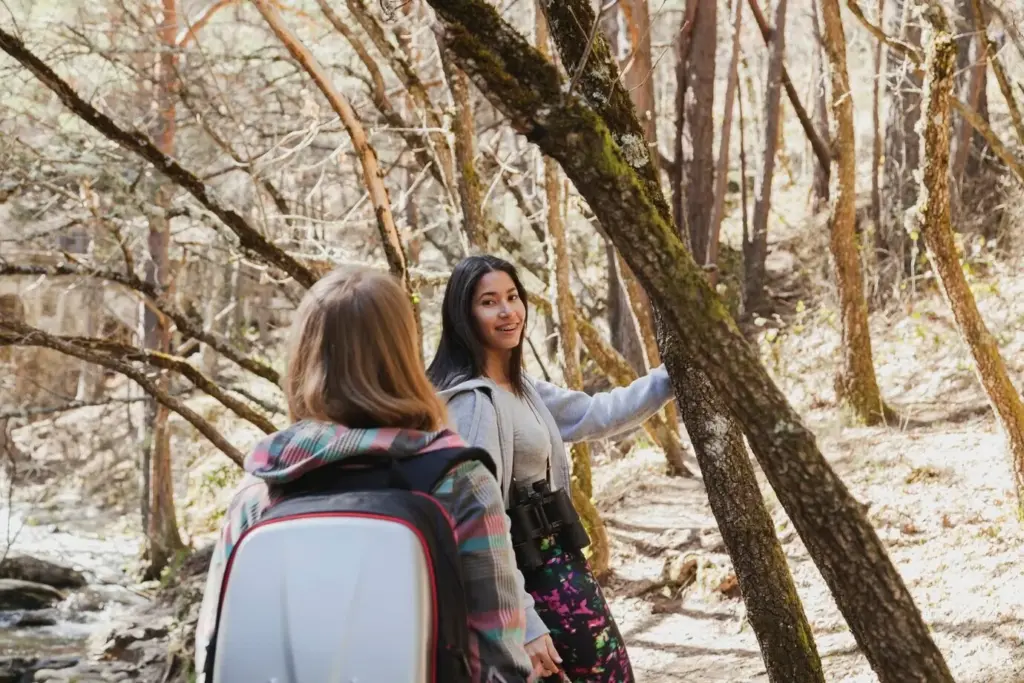
Step Off the Train, Find the Trail

Lace up and join Rail-to-Trail Adventures: Day Hikes Starting from UK Train Stations. We celebrate effortless escapes where a simple ticket opens wild horizons, linking platforms with moorland edges, cliff-top paths, forest tracks, and friendly pubs. Expect practical guidance, personal stories, and inspiring routes that begin the moment the carriage doors slide open, turning everyday commutes into memorable journeys under big skies, with timely returns, warm trains home, and contented, trail-tired smiles.

Planning Seamless Journeys from Platform to Peak

Turn travel logistics into part of the joy. Learn how to sync train times with daylight, estimate pace between waypoints, and bookmark reliable journey-planning tools. We will help you dodge engineering works, choose flexible return tickets, and align route-lengths with weather windows. The result is a relaxed, predictable day where delays become discoveries, platform changes spark curiosity, and every arrival feels like a smooth handoff from steel rails to welcoming paths.

Reading Timetables Like a Local

Master the rhythm of off-peak returns, advance fares, and the subtle art of avoiding crowded carriages. Check National Rail Enquiries and operator apps for disruptions, seat availability, and last-train cutoffs. Keep an eye on strike notices, station accessibility notes, and connection buffers, so even a missed service simply reshapes your walk, rather than ending it. Confidence grows when your plan respects timetables yet leaves breathing space for serendipity.

First and Last Miles Made Easy

Those initial steps after the platform can decide the day’s flow. Study station exits, footbridge shortcuts, and underpasses that shave minutes without rushing. Download GPX tracks, carry an OS Explorer map, and note waymarkers before lanes split. Photograph posted trail maps for quick recall, and pin cafés or water points near the start and finish. Small decisions early prevent faffing later, keeping your stride easy and your eyes up.

Backup Plans without Stress

Carry alternatives baked into your route: shorter loops, parallel paths, and bailout points leading to different stations or bus stops. Mark grid references for decision points where weather, time, or energy might pivot your choice. Share your plan with a friend, jot emergency numbers inside your lid, and agree a latest-turnaround time. Flexibility turns uncertainty into agency, letting you adapt gracefully while still catching a comfortable ride home.

Iconic Day Walks Straight from the Station

Across Britain, platforms unlock landscapes that feel a world away from city streets. Without car parks to worry about, you can follow chalk-white cliffs, centuries-old drovers’ roads, river meadows, and gritstone edges, finishing within steps of a warm carriage seat. These suggestions blend scenic payoff with reliable transport, realistic timings, and little local flourishes, revealing how the railway quietly threads together unforgettable, low-carbon escapes for every season and ability.

Footwear That Loves Mixed Terrain

Choose footwear that welcomes platforms, lanes, and rocky trods without complaint. Grippy outsoles tame wet steps, yet cushioning spares knees on tarmac. In summer, breathable trail shoes shine; in shoulder seasons, waterproof mids protect confidence. Consider gaiters for peat or chalk dust, and carry dry socks for the triumphant train ride. Reliable shoes keep your attention on skylarks, cairns, and cloud-shadows, not hot spots plotting mutiny beneath your heels.

Packs, Layers, and Compact Safety

Choose a 15–22 litre daypack with a stable harness, quick-access pockets, and a tidy rain cover. Pack light but wise: breathable base, warm mid-layer, shell, hat, gloves, and an emergency bivy or group shelter. Add a small first-aid kit, headtorch, whistle, and power bank for mapping. Organize snacks and tickets where hands find them instantly. Comfort compounds across hours, so small packing choices translate into steady, happy miles.

Navigation That Works When Signal Fades

Phone apps shine until valleys swallow signal or batteries dip. Balance convenience with resilience: carry an OS paper map and a real compass, plus offline tiles and a printed GPX overview. Practice quick relocations using features like walls, streams, and spurs. Stash a pencil to note bearings on a map case in drizzle. When cloud wraps a ridge, calm competence replaces panic, guiding you patiently back toward hot tea.

Weather, Safety, and Respect for the Landscape
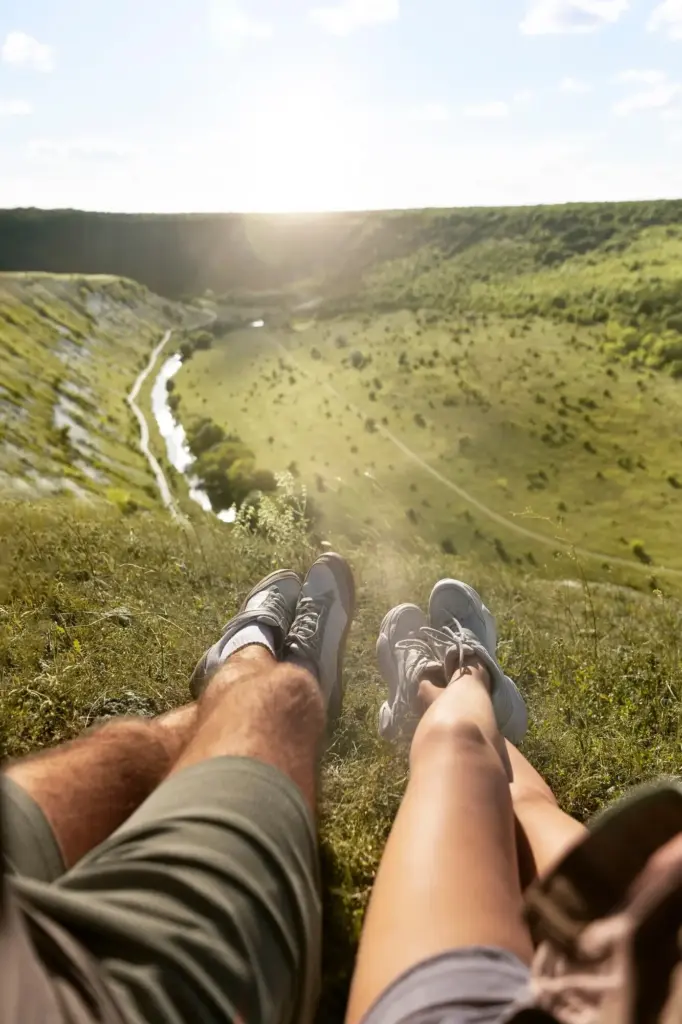
Reading the UK Sky

Start with the Met Office hourly view, then compare synoptic charts and mountain area forecasts for winds, freezing levels, and gust patterns. On the ground, watch cloud bases scraping edges, feel humidity rising, and note wind direction shifts in grass. Adjust loops to avoid exposed ribs or tidal headlands as conditions tighten. Rainbows, squalls, and clear slots play musical chairs; timing a pause beneath a shower can feel magical.

Trail Etiquette and Access

Respect the Countryside Code: leave gates as found, yield kindly on narrow trods, and leash dogs near livestock or nesting birds. Avoid trampling verges into wider scars, step aside for faster climbers, and greet volunteers maintaining paths. If a diversion appears, follow it patiently and thank landowners who support access. Each considerate decision protects fragile relationships that let trains, towns, and trails coexist with grace for generations.

Solo Travel Confidence

Solo miles can feel luminous when preparation steadies nerves. Share your plan and turnaround time, carry ID, and pre-load emergency contacts. Trust your assessment when crowds push onward in worsening weather; shortening a route is wisdom, not defeat. Notice spirits rising after a snack, or dropping when cold sneaks in, and respond early. Returning alone to a lit platform feels triumphant, earned by calm judgments throughout the day.

Breakfast Before the First Departure

Arrive with time to sip coffee without gulping, letting nerves settle before connections. Oats or pastries ride well in bags; fruit tucks beside tickets. Hydration begins early, but pace sips to avoid frantic carriage dashes. If a small café opens near your platform, thank the staff making dawn kinder. That first calm mouthful often decides the day’s tone, smoothing the way toward brisk strides and clear thinking.

Picnics with a View

Pack durable, reusables that silence rustle on quiet ridges: beeswax wraps, lightweight boxes, and cloth napkins cosy with personality. Choose foods that survive bumps—hard cheese, sturdy fruit, flapjacks—and keep litter sealed until bins appear. Pause where paths widen without crushing plants, sharing views respectfully. A slow lunch becomes an anchor point, recentering energy, improving navigation choices, and transforming ordinary sandwiches into stories you will remember on winter evenings.

Celebratory Pints and Teas Near the Station

Back at the platform’s orbit, select spots that welcome muddy boots and glowing cheeks. A half-pint, hot chocolate, or builder’s tea complements route debriefs, while you watch departure boards flicker with possibilities. Ask bar staff about hidden paths or seasonal closures; locals often know priceless details. Toast the day, stretch calves, and let warmth soak into hands before you amble the last short steps to your carriage.

Seasonal Ideas and Community Stories

Rail-linked hiking shines across the calendar, each season writing new reasons to step onto platforms with a small pack and generous curiosity. Fresh flowers, long daylight, crisp air, and quiet paths all arrive in turn. Most of all, community grows: shared GPX links, swapped anecdotes, and friendly replies transform planning into companionship. Join the conversation, subscribe for route ideas, and add your favorite station-to-summit memory.
Nirafozifopina
Privacy Overview

This website uses cookies so that we can provide you with the best user experience possible. Cookie information is stored in your browser and performs functions such as recognising you when you return to our website and helping our team to understand which sections of the website you find most interesting and useful.